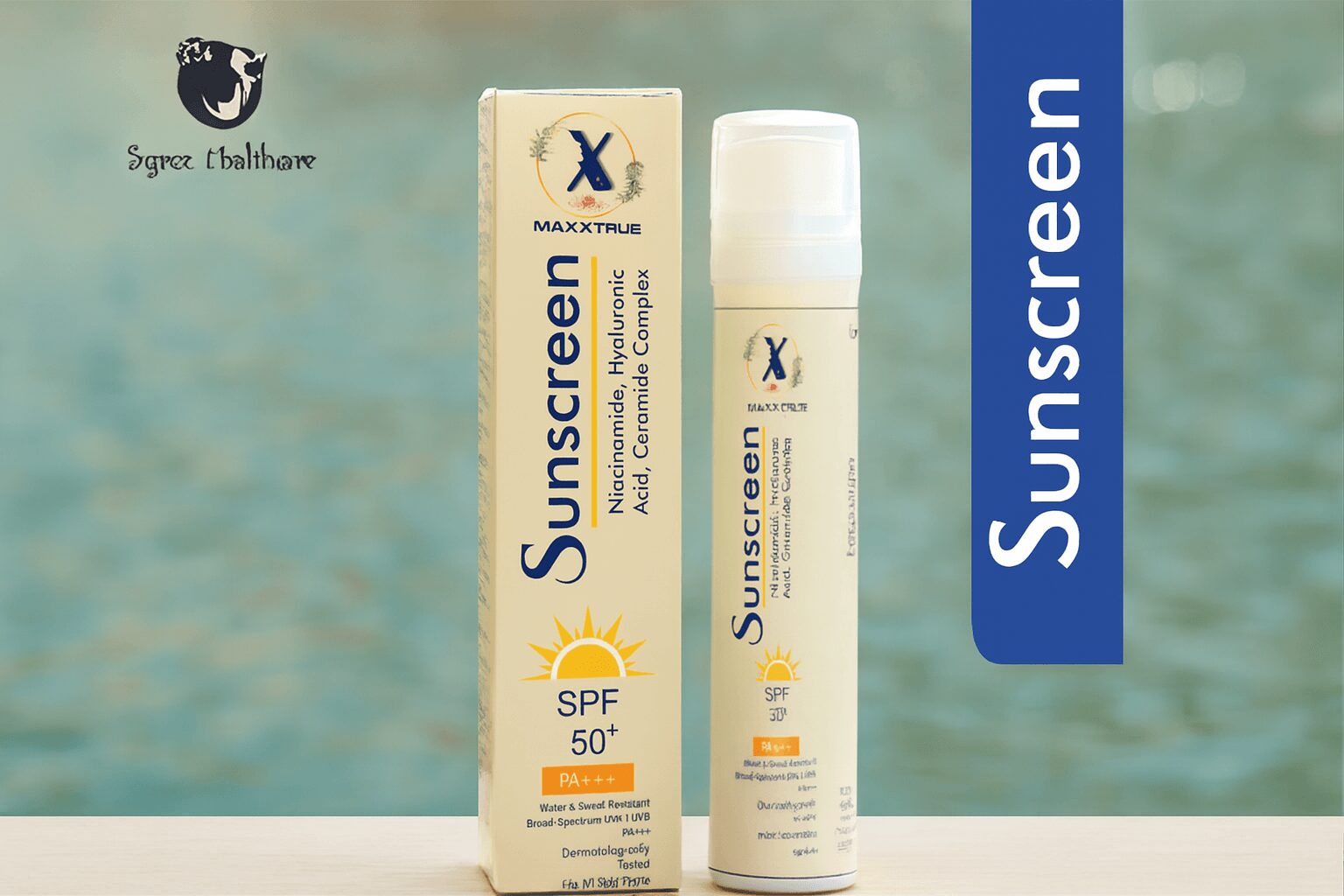
Protecting your face from the sun is one of the most important steps for healthy skin. Whether you have dry, oily, combination, or sensitive skin, a good sunscreen helps prevent tanning, premature aging, dark spots, pigmentation, and long-term sun damage. Dermatologists worldwide agree that sunscreen is the most reliable way to maintain youthful, glowing skin.
In this detailed guide, we highlight the best sunscreen for face, how to choose the right one for your skin type, dermatologist recommendations, and daily-use tips that truly make a difference. This blog follows EEAT principles to give you information that is accurate, trustworthy, and helpful for general readers.
Why Sunscreen for the Face Is So Important
Facial skin is thinner, more sensitive, and exposed to sunlight more often than the rest of your body. This makes it vulnerable to:
- Sunburn
- Uneven tone
- Pigmentation
- Fine lines and wrinkles
- Dehydration
- Skin aging
- Dark patches and dullness
- In rare cases, higher risk of skin cancer
Even a few minutes of unprotected exposure every day adds up over time. That is why dermatologists insist on daily sunscreen use, even indoors, because UV rays penetrate through windows.
How Sunscreen Protects Your Face
A good sunscreen protects your skin in three ways:
1. UVA Protection
These rays cause aging, wrinkles, dullness, and pigmentation.
2. UVB Protection
These rays cause tanning and sunburn.
3. Blue Light Protection (Optional)
If you spend a lot of time on screens, this helps reduce pigmentation and dullness.
Sunscreen acts as a shield that keeps your skin safe from damage you may not notice immediately, but which affects long-term skin health.
What Makes a Sunscreen Dermatologist-Approved?
Dermatologists look for specific factors before recommending a sunscreen. These include:
1. Broad-Spectrum Protection
Protects from both UVA and UVB rays.
2. SPF 30 or SPF 50
SPF 30 is suitable for indoors or minimal sun exposure.
SPF 50 is ideal for outdoor activities, travel, or direct sunlight.
3. No Harsh Ingredients
Good facial sunscreens avoid:
- Heavy fragrances
- Strong alcohols
- Pore-clogging oils
4. Suitable for Everyday Use
A sunscreen should feel comfortable, lightweight, and easy to reapply.
5. Dermatologically Tested
This ensures the formula is safe for sensitive skin.
Types of Sunscreens for the Face
To find the best sunscreen for face, it helps to understand the different types:
1. Chemical Sunscreens
Chemical sunscreens absorb UV rays and convert them into heat.
Best for:
- Dry skin
- Normal skin
- People who prefer a lightweight, invisible finish
Benefits:
- No white cast
- Easy to blend
- Suitable under makeup
2. Mineral (Physical) Sunscreens
Mineral sunscreens use zinc oxide or titanium dioxide. They sit on top of the skin and reflect UV rays.
Best for:
- Sensitive skin
- Acne-prone skin
- Children
Benefits:
- Gentle on skin
- Low irritation
- Good for redness and skin barriers
3. Hybrid Sunscreens
These combine both mineral and chemical filters.
Benefits:
- Balanced protection
- Minimal white cast
- Good for daily wear
Best Sunscreen for Face Based on Skin Type
Every skin type needs a suitable sunscreen formula. Using the wrong one can cause irritation, greasiness, dryness, or clogged pores. Below are dermatologist-approved suggestions based on specific skin types.
1. Best Sunscreen for Dry Skin
Dry skin needs moisture along with UV protection.
Look for:
- Creamy texture
- Hyaluronic acid
- Glycerin
- Ceramides
- Nourishing oils
Benefits:
- Long-lasting hydration
- Smooth finish
- No flakiness
2. Best Sunscreen for Oily Skin
Oily skin needs lightweight, non-greasy formulas.
Look for:
- Gel-based sunscreen
- Matte finish
- Water-based formula
- Non-comedogenic ingredients
Benefits:
- No shine
- Breathable formula
- Does not clog pores
3. Best Sunscreen for Combination Skin
Combination skin needs a balanced formula.
Look for:
- Hydrating but light texture
- Non-sticky formula
- Water-based or hybrid type
Benefits:
- Comfort on both dry and oily areas
- Smooth finish
4. Best Sunscreen for Sensitive Skin
Sensitive skin reacts to strong chemicals or fragrances.
Look for:
- Mineral sunscreen
- Fragrance-free formula
- Gentle ingredients
- Soothing elements like aloe vera or calendula
Benefits:
- Reduced redness
- Zero irritation
- Calm, protected skin
Best Sunscreen for Daily Use on the Face
The best sunscreen is the one you can wear every single day. For daily use, dermatologists recommend sunscreens that:
- Are lightweight
- Blend easily
- Leave no white cast
- Feel comfortable under makeup
- Reapply smoothly
- Do not cause irritation
- Suit your climate
If you live in hot and humid weather, choose a gel-based sunscreen.
For cool or dry climates, go for cream-based or hydrating sunscreens.
How to Apply Sunscreen Correctly
Most people apply too little sunscreen, which reduces protection. To get full coverage:
✔ Use two full finger lengths of sunscreen for the face and neck
This amount ensures proper protection.
✔ Apply sunscreen 15 minutes before stepping out
✔ Reapply every 2–3 hours when outdoors
✔ Use sunscreen even indoors
UV rays enter through windows and screens.
✔ Don’t forget your ears, neck, and under the chin
These areas burn easily.
Sunscreen Under Makeup: How to Use It Properly
Many people avoid sunscreen because they feel it doesn’t work with makeup. The truth is, the right sunscreen will sit smoothly under foundation or concealer.
Tips for layering sunscreen with makeup:
- Let sunscreen absorb fully before applying makeup
- Use lightweight or gel sunscreens
- Use a setting spray or compact powder with SPF for touch-ups
- Avoid mixing sunscreen with foundation
Sunscreen should always be a separate layer for proper protection.
Common Myths About Sunscreen
There are many misunderstandings about sunscreen. Here are the most common ones cleared:
1. “I don’t need sunscreen on cloudy days.”
UV rays pass through clouds and cause damage.
2. “Makeup with SPF is enough.”
SPF in makeup is not applied in enough quantity to protect the skin.
3. “Sunscreen is only for summer.”
UV rays remain strong all year long.
4. “Darker skin doesn’t need sunscreen.”
Melanin protects slightly but does not prevent sun damage or aging.
5. “I’m indoors all day, so I don’t need it.”
UV rays penetrate windows, screens, and indoor lighting.
How Sunscreen Helps with Anti-Aging
If you want youthful skin, sunscreen should be your first choice before expensive creams and treatments. It helps reduce:
- Fine lines
- Wrinkles
- Sagging
- Uneven tone
- Dark spots
- Dullness
Daily use protects collagen and keeps the skin firm and glowing for years.
Signs That You Are Not Using Enough Sunscreen
You may need more sunscreen if your skin shows:
- Sudden tanning
- Dark patches
- Freckles appearing
- Dryness after sun exposure
- Redness
- New wrinkles
These signs show that UV rays are reaching your skin.
Choosing Sunscreen Based on Climate
Your climate plays a major role in selecting the right sunscreen.
Hot and Humid Weather
Choose gel, matte, or water-based sunscreen.
Cold or Dry Weather
Choose cream-based, hydrating sunscreens.
Dusty Environment
Non-sticky sunscreens prevent dirt from clinging.
Beach or Outdoor Activity
Select water-resistant sunscreen with SPF 50.
Dermatologist Tips for Healthy Skin + Sunscreen Routine
To get the best results from your sunscreen:
- Cleanse your face daily
- Moisturize before sunscreen
- Reapply SPF outdoors
- Stay hydrated
- Use antioxidant serums like Vitamin C in the morning
- Use sunscreen even on short trips
- Remove sunscreen properly at night
A simple routine is more effective than using many products.
Final Thoughts
Choosing the best sunscreen for face is one of the smartest decisions for long-term skin health. Whether you have dry, oily, combination, or sensitive skin, the right sunscreen protects your face from tanning, aging, and deeper sun damage. Dermatologist-approved sunscreens are safe, comfortable, and ideal for daily wear.
When used consistently, sunscreen helps your skin stay bright, smooth, and youthful.